
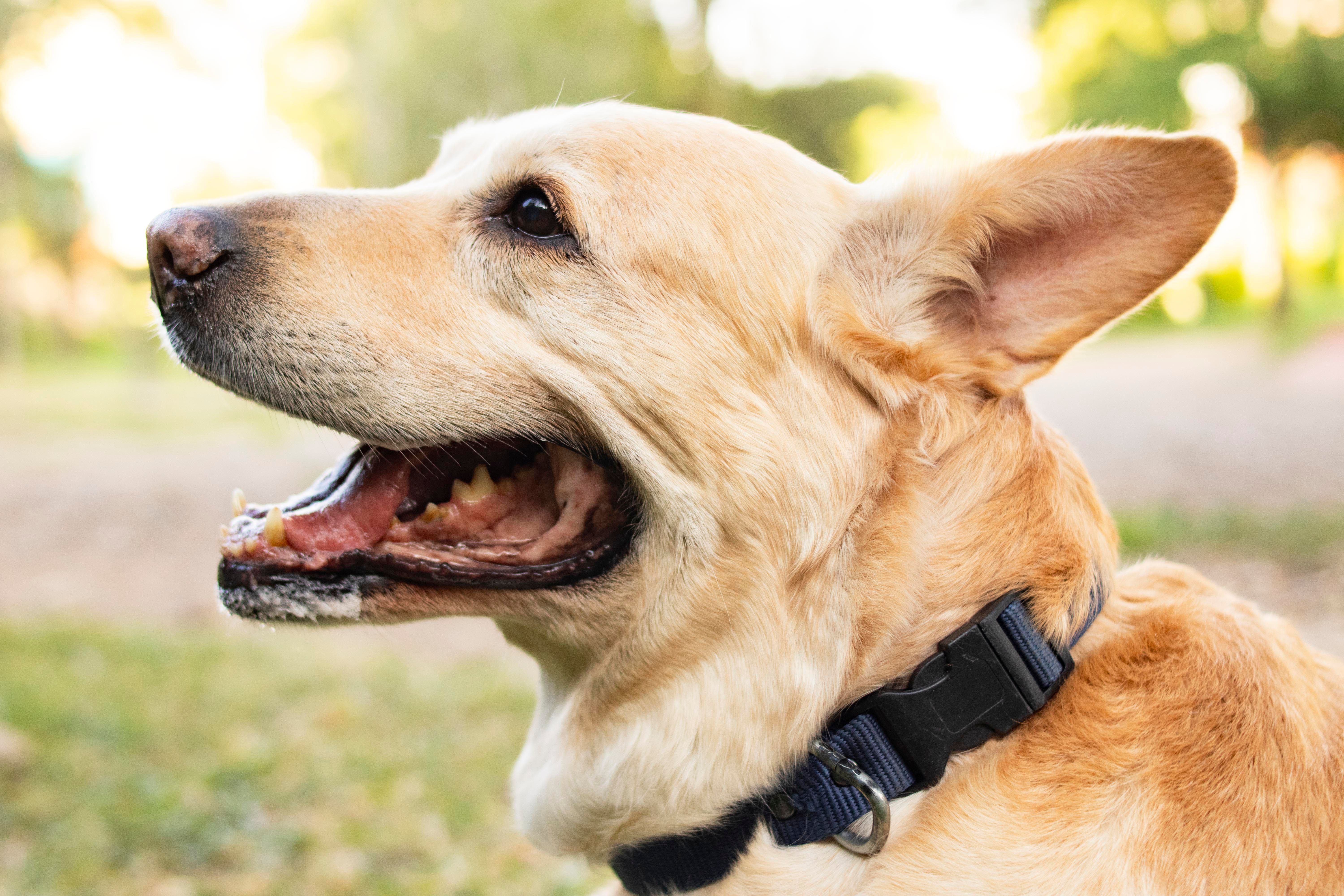
Beat the Summer Heat: Keeping Your Pet Cool at Home
As the summer sun intensifies in Chatham and the surrounding communities, many pet owners become concerned about keeping their dogs and cats comfortable and safe from overheating. At Symbios Chatham, we understand that your pet’s wellbeing is a top priority, especially during those sticky, hot New Jersey days. With our concierge-style, mobile veterinary experience, we deliver personalized, sophisticated care right in the comfort of your home. This unique approach means we not only treat your pet where they feel most secure, but we also help you create a safer environment for them during extreme weather.
This blog will guide you through the essentials of keeping your pet cool at home, covering how to recognize early signs of heat stress, why overheating happens, practical ways to prevent heat-related illness, and when to seek professional veterinary care. Whether you live in Chatham or one of the nearby neighborhoods, these mobile vet tips will help you and your pet enjoy a safer, happier summer.
Recognizing the Signs of Overheating in Dogs and Cats
Understanding how to spot heat stress early can make a life-saving difference for your pet. Unlike people, dogs and cats do not sweat in the same way; instead, they rely on panting and a limited number of sweat glands (mainly in their paw pads) to regulate body temperature. This makes them particularly vulnerable to rising temperatures.
Key symptoms of overheating in pets include excessive panting, drooling, red or pale gums, and restlessness. You might notice your dog searching for cool surfaces or your cat stretching out in the shade and avoiding play. As heat stress progresses, additional warning signs can develop, such as rapid breathing, increased heart rate, vomiting, diarrhea, confusion, or staggering. In severe cases, pets may collapse or have seizures, which constitutes a medical emergency.
It’s important to remember that certain pets are more susceptible to heat problems. Breeds with short noses like Bulldogs and Persians, older animals, overweight pets, and those with underlying health conditions can struggle more with heat regulation. If you observe any of these symptoms, act quickly to cool your pet and contact a mobile veterinarian for guidance.
Why Pets Overheat: Understanding the Causes
Several factors contribute to overheating in dogs and cats, and knowing these risks can help you better protect your pet. Dogs and cats are naturally less efficient at cooling down than humans. When outdoor temperatures rise, especially during humid days common in New Jersey summers, your pet’s ability to expel excess heat becomes even more limited.
Environmental factors such as high humidity, inadequate shade, lack of access to fresh water, and poor ventilation indoors can all contribute to heat stress. Pets left in hot rooms, sunrooms, or areas with little air circulation are at increased risk. Even a short walk on midday pavement can expose your dog to dangerous heat, as asphalt surfaces can become scorching and burn sensitive paw pads.
Some household scenarios that often result in overheating include leaving pets outdoors during heat waves, exercising them in the middle of the day, and forgetting to refill their water bowls. For cats, sunbathing in a hot window or becoming accidentally trapped in an unventilated area are common summer hazards. Recognizing these everyday situations can help prevent unintended harm.
Managing Heat Stress: Professional and In-Home Care
When it comes to treating heat stress in pets, early intervention is essential. If you suspect your pet is overheating, the first step is to move them to a cooler area immediately, such as an air-conditioned room or a shaded spot with good airflow. Offer fresh, cool water and encourage small sips, but avoid forcing your pet to drink.
You can use damp towels on your pet’s paws, belly, and underarms to help lower body temperature gradually. For dogs, a gentle spray from a hose or a shallow kiddie pool under supervision can provide relief. Never use ice-cold water, as it can cause shock or constrict blood vessels, making cooling less effective.
If your pet’s symptoms are mild and begin to resolve with at-home cooling, continue monitoring closely for any changes. However, if your pet shows signs of severe heat stress, such as vomiting, unsteady movement, confusion, or collapse, immediate veterinary attention is critical. Our Symbios Chatham mobile veterinary team is equipped to come to your home for urgent evaluations, ensuring your pet receives prompt, personalized care without the added stress of travel.
Once stabilized, treatment may include intravenous fluids to correct dehydration and medications to manage complications such as vomiting or seizures. Our veterinarians will also check for organ damage, as heatstroke can impact the kidneys, liver, and heart. Recovery often depends on how quickly cooling and treatment are started, underscoring the importance of prompt action.
Preventing Overheating: Practical Home Tips for a Safer Summer
Prevention is always the best approach when it comes to heat-related health issues. There are many simple steps you can take at home to help your pet stay cool and hydrated all summer.
First, ensure your pet always has access to plenty of fresh, cool water. Keep water bowls in multiple locations, and consider adding a few ice cubes for extra refreshment. For dogs who enjoy being outdoors, provide shaded areas and avoid walks during the hottest parts of the day; early morning or late evening are safer times for exercise.
Inside the home, use fans or air conditioning to maintain a comfortable temperature. Cats often seek out warm spots, so make sure they have cool, quiet retreats away from sunny windows. Cooling mats or damp towels can offer extra relief for both dogs and cats, and some pets appreciate frozen treats made from pet-safe ingredients.
Grooming is another important aspect of summer care. Regular brushing removes excess fur and helps prevent matting, which can trap heat close to the skin. However, avoid shaving your pet, as their coat also provides natural protection against sunburn and overheating.
Finally, never leave your pet unattended in a parked car, even for a few minutes. Temperatures inside vehicles rise quickly and can become deadly in a very short time, even with the windows cracked.
When to Seek Veterinary Care: Knowing When Home Measures Aren’t Enough
It is not always easy to judge when your pet’s heat stress requires professional attention. As a general rule, if your pet is not improving rapidly after being moved to a cooler environment, or if symptoms worsen, don’t wait to seek help. Signs that your pet needs immediate veterinary care include persistent vomiting or diarrhea, difficulty breathing, signs of confusion, collapse, or seizures.
At Symbios Chatham, our mobile veterinary team brings advanced care directly to your doorstep. Our concierge approach means we can act quickly to assess your pet’s condition and begin supportive care right in your home. This minimizes the stress of transport and allows us to tailor treatment to your pet’s unique needs and environment.
Remember, early intervention saves lives. If you have any doubts about your pet’s safety during a heat wave or notice concerning symptoms, it is always better to err on the side of caution and contact a veterinarian for guidance.
Your Local Mobile Veterinary Resource
Summer in Chatham brings plenty of opportunities for fun with your pet, but it also comes with real risks as temperatures soar. By understanding the warning signs of heat stress, making simple changes at home, and knowing when to seek help, you can keep your dog or cat safe and comfortable throughout the season.
If you are looking for personalized, in-home veterinary care that puts your pet’s health and comfort first, Symbios Chatham is here to help. Our mobile veterinary team serves Chatham and neighboring communities, offering everything from preventive wellness visits to urgent summer care—all in the comfort of your home. When searching for a mobile vet near me, trust in a team dedicated to a concierge-level veterinary experience.
For questions about summer pet safety or to schedule a home visit, contact Symbios Chatham at our Chatham location. Our veterinary professionals are committed to helping you and your pet enjoy a healthy, happy summer—right where you both feel most at ease. If you ever notice signs of heat stress or want more guidance, do not hesitate to reach out; your pet’s wellbeing is always our top priority.
This blog is intended for informational purposes and should not replace professional veterinary care. If you have concerns about your pet’s health, please consult your veterinarian.
Worried about something you read?
If any of this sounds like your pet, we're here to help.