
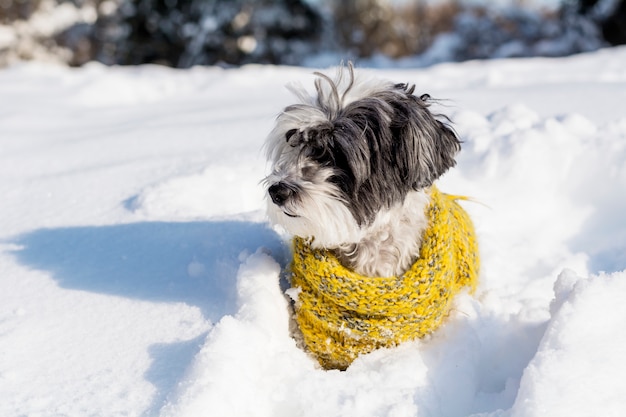
Cold Weather Pet Safety: Warning Signs of Hypothermia and Frostbite
As winter settles over New Jersey, many pet owners in Chatham and surrounding communities worry about how to keep their pets safe in cold temperatures. At Symbios Chatham, we understand that your pets are beloved family members, and their safety is always your top priority. Cold weather pet safety becomes especially important during these chilly months, as pets are at risk for hypothermia and frostbite when exposed to harsh conditions. Whether you are taking an evening walk or letting your dog out for a quick bathroom break, knowing how to identify and respond to these cold-related health threats is essential.
This guide will help you recognize the warning signs of pet hypothermia symptoms and frostbite, understand what causes these conditions, and learn how our sophisticated, concierge-style veterinary care at 588 Main Street, Chatham, NJ 07928 can support you through prevention and treatment. We will also show how our 24/7 telehealth veterinary services offer immediate guidance when you need it most. If you are searching for a “vet near me” who combines advanced medical care with a personalized touch, Symbios Chatham is here for you and your pet.
Recognizing the Signs: How to Spot Hypothermia and Frostbite in Pets
Pet Hypothermia Symptoms: What to Watch For
As temperatures drop, pets can lose body heat rapidly. Hypothermia occurs when their body temperature falls below normal, which can quickly become life-threatening. Key pet hypothermia symptoms include persistent shivering, a noticeable drop in energy, lethargy, and weakness. Some pets may develop confusion, appear clumsy or uncoordinated, or even have trouble standing. As hypothermia worsens, you might notice pale, cold gums, slow breathing, or a decreased heart rate.
It is important to note that smaller dogs, short-haired breeds, kittens, puppies, and senior pets are particularly vulnerable. If your pet has been outside for more than a few minutes in freezing temperatures, check for these symptoms. For example, a normally energetic dog that suddenly becomes sluggish after a winter walk may be experiencing the early stages of hypothermia.
Frostbite Warning Signs in Pets
Frostbite occurs when skin and underlying tissues freeze, most often affecting the ears, tail, nose, and paws. Early warning signs include pale, hard, or cold skin, which may later turn red or swollen as it warms. In more advanced cases, the affected area could become blistered or develop black, dead tissue.
Owners sometimes notice their pet licking or chewing at cold paws or ears after being outside. If you gently touch your pet’s ear tips or paws and they feel unusually cold or hard, frostbite may be developing. Always handle frostbitten areas with care, as they become very sensitive and painful.
Recognizing these symptoms early is critical for effective cold weather pet safety. If you observe any of these signs, reaching out for veterinary support can help prevent further complications.
What Causes Hypothermia and Frostbite in Pets?
Risk Factors Unique to Chatham’s Winter Climate
Hypothermia and frostbite in pets are caused by prolonged exposure to cold, wet, or windy environments. Chatham and neighboring areas often experience fluctuating winter weather, including freezing rain, snow, and wind chills that can quickly sap body heat from pets. Even a brief outing during icy conditions can be hazardous, especially if your pet gets wet or cannot move freely.
Certain pets face added risks. For instance, thin, short-haired breeds have less natural insulation, while older pets or those with chronic health conditions may struggle to regulate their body temperature. Small breed dogs and cats can lose heat faster due to their high surface-area-to-volume ratio. Additionally, pets with wet fur or underlying conditions, such as hypothyroidism, may become cold much faster than healthy, dry pets.
Environmental factors play a large role as well. Slippery sidewalks, icy driveways, and snow accumulation can lead to longer exposure while pets search for a suitable spot or become disoriented. Owners should keep in mind that even garage floors and unheated porches can quickly become dangerously cold for pets left unattended.
Understanding these causes allows you to make informed decisions about outdoor activities and reinforces the importance of timely visits for wellness care exams to ensure your pet is in optimal health before facing the winter elements.
Treatment and Management: How Symbios Chatham Supports Your Pet
Immediate Steps for Hypothermia and Frostbite
If you suspect your pet is experiencing hypothermia or frostbite, prompt action is crucial. Begin by gently bringing your pet inside to a warm, draft-free room. Dry any wet fur with a towel, and use warm (not hot) blankets or heating pads set on the lowest setting, taking care to avoid burns. Offer small amounts of lukewarm water if your pet is alert and able to drink.
For frostbitten areas, avoid rubbing or massaging the skin, as this may worsen tissue damage. Instead, apply a warm, damp cloth to affected paws or ears for a few minutes at a time. Never use direct heat sources like hair dryers or heating lamps.
While these steps can help stabilize your pet, professional veterinary care is essential for full assessment and treatment. At Symbios Chatham, our veterinary professionals offer advanced diagnostics and supportive therapies tailored to your pet’s needs. Treatments may include intravenous fluids for rehydration, pain management, wound care for frostbite, and careful monitoring of vital signs. In severe cases, hospitalization may be required for thermal support and further intervention.
Our 24/7 telehealth veterinary services are available for guidance at any hour, so you can discuss symptoms, receive triage advice, and arrange for urgent care if needed. This ensures that pet owners in Chatham and surrounding communities never have to face emergencies alone, no matter the time of day.
Prevention and Home Care: Keeping Your Pet Safe in Chatham Winters
Strategies for Cold Weather Pet Safety
Preventing hypothermia and frostbite is always preferable to treating it. The most effective approach involves limiting outdoor time during extreme cold, especially for pets with increased vulnerability. When outside, ensure your pet is supervised and wears protective clothing such as insulated jackets or booties. After walks, dry your pet’s paws and fur thoroughly to remove snow, ice, or salt, which can cause irritation.
Ensure your home environment stays warm and draft-free, providing cozy bedding away from cold floors or windows. For pets that require outdoor access, check that their shelter is insulated, raised off the ground, and equipped with fresh, unfrozen water.
Nutrition also plays a vital role in cold weather pet safety. Maintaining a balanced diet helps your pet generate body heat and supports overall health. Scheduling a wellness care exam before winter can help identify any underlying health concerns that may increase your pet’s risk during cold snaps.
For pet owners searching for “quality veterinary services near me,” these proactive measures, combined with regular veterinary checkups, can make all the difference in keeping your furry family members safe throughout the winter months in Chatham.
When to Seek Veterinary Care: Knowing When It’s Time to Call
Guidelines for Prompt Action
If your pet displays signs of moderate to severe hypothermia, such as persistent shivering, weakness, confusion, or unresponsiveness, immediate veterinary attention is necessary. Likewise, if you observe symptoms of frostbite, like discolored skin, swelling, or signs of pain when touching affected areas, do not delay seeking professional help.
At Symbios Chatham, our concierge-style approach means that you can quickly schedule an appointment with our veterinary team or reach out through our 24/7 telehealth services for guidance on next steps. Our veterinarians can advise on whether your pet needs to be brought in immediately or if home care is appropriate based on the severity of symptoms.
Remember, early intervention is key to a successful recovery. If you are ever uncertain about your pet’s condition, it is always safest to consult a veterinarian. For those searching for “best veterinarian near me” in Chatham, our team is dedicated to providing expert support and compassionate care whenever you need it.
Conclusion: Partnering with Symbios Chatham for Year-Round Pet Safety
Cold weather pet safety in Chatham requires vigilance and proactive care. By recognizing pet hypothermia symptoms and frostbite warning signs, you can act quickly to protect your furry companions from winter’s harshest threats. Our veterinary team at Symbios Chatham is committed to supporting you every step of the way, from preventive wellness care to advanced treatment options.
If you have concerns about your pet’s safety during the colder months, or if you notice any signs of hypothermia or frostbite, we encourage you to schedule an appointment or reach out through our 24/7 telehealth veterinary services for immediate guidance. For those searching for a “vet near me” who prioritizes personalized, high-quality care, trust our team to deliver exceptional veterinary services in Chatham.
Let us help you keep your pet healthy, happy, and safe this winter. Contact Symbios Chatham at (973) 381-8475 or visit us at 588 Main Street, Chatham, NJ 07928 to discover how our veterinary professionals can partner with you for all your cold weather pet safety needs.
This article is intended for informational purposes only and should not replace professional veterinary advice. Always consult your veterinarian for specific concerns about your pet’s health. For more information on hypothermia and frostbite in pets, visit trusted resources like the American Veterinary Medical Association.
Worried about something you read?
If any of this sounds like your pet, we're here to help.