
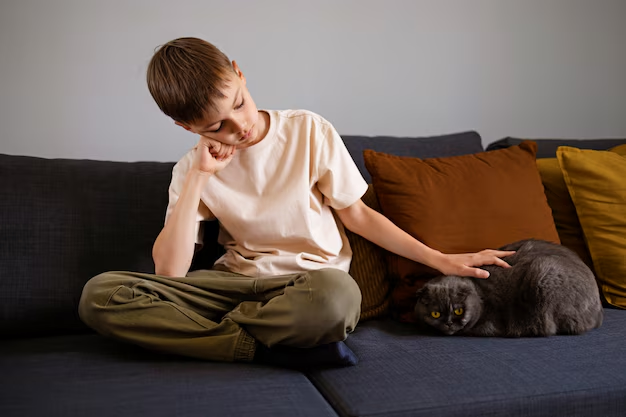
Leaving your pet at home can sometimes lead to behavioral issues if they suffer from separation anxiety. This condition occurs when pets become distressed in the absence of their owners, leading to destructive behaviors and emotional stress. Understanding and addressing this issue is key to your pet’s mental and emotional health.
**What Is Separation Anxiety?**
Separation anxiety occurs when pets experience intense fear or distress when separated from their owners. It’s more common in dogs than cats but can affect any pet. This condition is often triggered by changes in routine, a new environment, or extended periods of alone time.
Signs of Separation Anxiety
Look out for these common signs:
- Excessive barking or howling
- Chewing, digging, or destroying furniture
- Urinating or defecating indoors
- Pacing or restlessness
- Escaping attempts
- Salivating excessively or showing signs of stress
If these behaviors occur consistently when you’re away, separation anxiety could be the culprit.
Understanding the Causes
- Changes in Routine: A new work schedule or extended absences can confuse pets.
- Past Trauma: Rescued pets may have experienced abandonment, making them more prone to anxiety.
- Lack of Stimulation: Pets left alone without mental or physical engagement may develop destructive habits.
How to Help Your Pet Cope
- Establish a Routine: Consistency in your pet’s daily schedule can create a sense of security.
- Practice Short Departures: Gradually increase the time you spend away to help your pet adjust.
- Provide Mental Stimulation: Interactive toys, treat puzzles, and engaging activities can keep your pet occupied.
- Create a Safe Space: Designate a comfortable area for your pet to retreat to while you’re away.
- Consider Calming Aids: Products like pheromone diffusers, calming collars, or prescription medications may help reduce anxiety.
When to Seek Professional Help
If your pet’s separation anxiety persists despite your efforts, consulting a veterinarian or animal behaviorist is recommended. Professional intervention can include behavior modification techniques or medication to ease your pet’s stress.
Separation anxiety is a manageable condition with the right approach. With patience and understanding, you can help your pet feel secure and happy, even when you’re not around.
Concerned about your pet’s anxiety? Contact Symbios Chatham at (973) 834-9008 or visit us at 588 Main Street, Chatham, NJ 07928 to discuss treatment options and behavior support tailored to your furry friend’s needs.
Worried about something you read?
If any of this sounds like your pet, we're here to help.