Managing Heat Stress in Cattle, Goats, and Backyard Flocks This July

Managing Heat Stress in Cattle, Goats, and Backyard Flocks This July
July in Chatham and surrounding communities can bring not only blue skies and lush pastures but also a challenging combination of heat and humidity for your cattle, goats, and backyard poultry. As a producer or small-scale livestock owner, keeping your animals healthy during the hottest part of the year is a top priority. At Symbios Chatham, located at 588 Main Street, Chatham, NJ 07928, our veterinary team understands how quickly heat stress can impact both herd and flock productivity and wellbeing. In this guide, we will help you recognize the signs of heat stress, understand why it happens, implement effective prevention strategies, and know when to reach out for veterinary support. Whether you are managing a few goats, a backyard flock, or a pasture of cattle, our personalized, concierge-style care is here to keep your animals thriving all summer.
Recognizing Heat Stress in Cattle, Goats, and Poultry
Detecting heat stress early is essential for preventing serious outcomes. For cattle, signs to watch for are increased breathing rate, open-mouth panting, drooling, reduced feed intake, and gathering in the shade or near water sources. You may also notice your cows standing rather than lying down, seeking any breeze available, or crowding sprinkler systems if you use them. In severe cases, staggering, collapse, or even sudden death can occur.
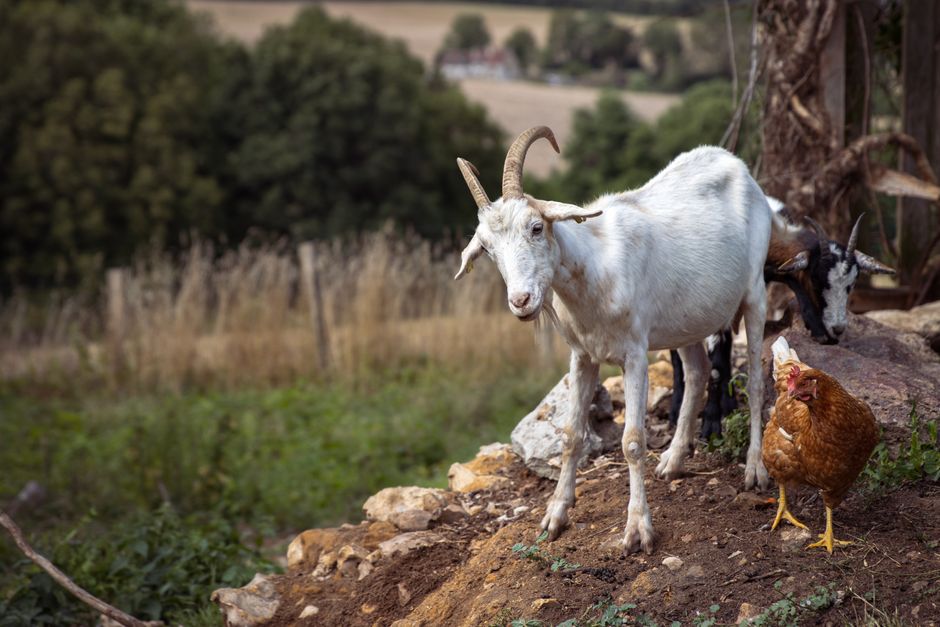
Goats generally show heat stress by panting, holding their mouths open, seeking shade, and drinking more than usual. You might observe them separating from the group, becoming lethargic, or showing decreased interest in feed. In advanced cases, goats may become weak, develop muscle tremors, or show signs of heat stroke such as confusion or loss of coordination.
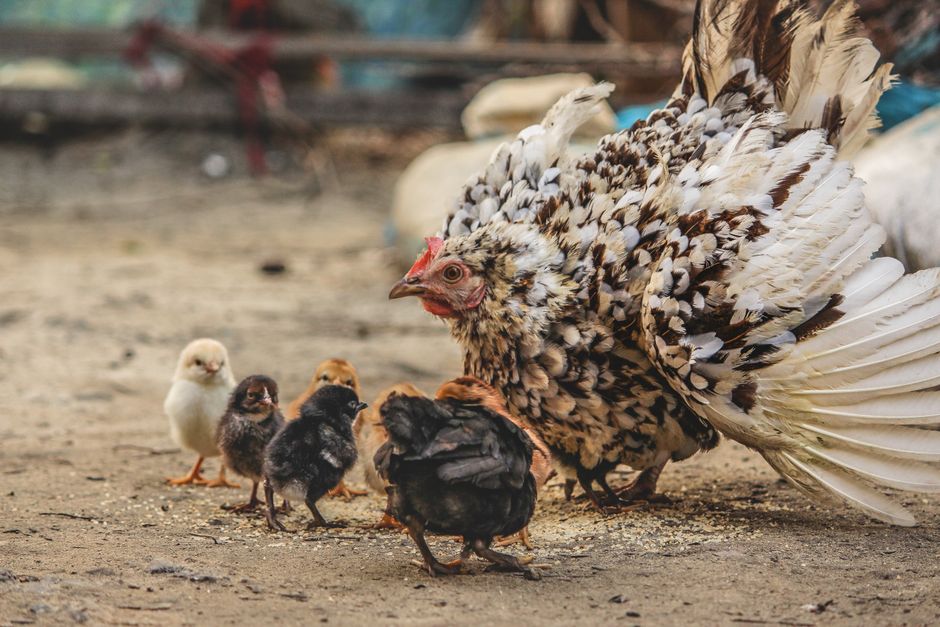
Backyard poultry, including chickens and ducks, are especially vulnerable to July’s heat. Key symptoms include rapid panting, wings held away from the body, a drop in egg production, pale combs and wattles, and listlessness. Severe cases may progress to collapse or death, particularly in heavy breeds or birds confined to poorly ventilated coops.
Understanding and observing these warning signs can make the difference between a healthy herd or flock and a crisis situation during hot spells.
Why Heat Stress Happens: Risk Factors in July
Heat stress develops when animals are unable to dissipate body heat fast enough to maintain their ideal internal temperature. July’s combination of high daytime temperatures, humidity, and sometimes still air makes this especially challenging in the Chatham region.
Cattle are most susceptible during stretches of high heat index, particularly if nights remain warm without enough cooling to allow recovery. Black-coated breeds and animals with higher body condition scores are often at higher risk. Crowding, lack of shade, or limited water access can quickly compound the problem.
Goats, although generally hardy, can struggle in humid conditions, especially if they are confined without good airflow or access to shaded areas. Long-haired or dark-colored goats will be affected more rapidly.
Backyard flocks are sensitive to both heat and humidity. Birds in small, poorly ventilated coops, or those without access to dust baths and cool water, are at greatest risk. Meat breeds and older hens may become heat stressed more rapidly than lighter, more active birds. Additionally, the stress of egg production during hot weather can put laying hens at increased risk for heat-related illness.
Veterinary Management and Professional Support for Heat-Stressed Animals
When heat stress is suspected or diagnosed, timely intervention from veterinary professionals is essential. The veterinary team at Symbios Chatham is experienced in managing heat-related emergencies, whether the concern is a lethargic dairy cow, a goat struggling in the heat, or a backyard flock showing signs of distress.
For cattle, veterinary management often involves administering intravenous fluids, providing electrolyte solutions, and recommending immediate cooling measures such as moving animals to shaded or ventilated areas. Our veterinarians may also assess for complications like acidosis, rumen stasis, or secondary infections that can develop after a heat event.
In goats, our approach includes careful cooling with fans or cool water, oral or intravenous fluids as appropriate, and monitoring for secondary issues like dehydration, pneumonia, or metabolic disturbances. Our veterinary team will also evaluate underlying risk factors, such as overcrowding or nutrition imbalances, that may contribute to repeated heat stress episodes.
Poultry require rapid cooling, which can include moving birds to shaded areas, misting with cool water, and ensuring access to fresh water. Our veterinarians can advise on supportive care, such as vitamin supplementation and modifications to feed during heat waves, and will help you develop an action plan for flock management during future high-risk periods.
Symbios Chatham’s concierge-style care allows for both in-clinic consultations and on-site farm or backyard visits, ensuring your animals receive tailored support when you need it most. For after-hours questions or urgent concerns, our 24/7 telehealth veterinary services offer immediate guidance and peace of mind.
Actionable Prevention: Keeping Your Herd and Flock Cool
Preventing heat stress is always preferable to treating it. For cattle, effective strategies include providing ample shade, ensuring continuous access to clean, cool water, and using fans or misters in barns or holding areas. Rotating grazing patterns to avoid overgrazed, exposed pastures and scheduling handling or transport during the cooler parts of the day can further reduce risk. In herds, adjusting feedings to late evening or early morning can help prevent excess heat production during digestion.
Goats benefit from similar strategies. Make sure your goats have shaded structures or natural tree cover, plenty of fresh water, and good airflow in barns and pens. Keep herds spread out to avoid crowding, and shear long-haired breeds before the hottest months when possible. Supplemental electrolytes offered in water can help replace losses on especially hot days.
For backyard flocks, maintaining a well-ventilated coop is essential. Consider placing frozen water bottles or shallow pans of water in the run for birds to stand in. Offer cool treats such as chilled fruits or vegetables, and ensure waterers are cleaned and refilled multiple times per day. Avoid handling birds during peak temperatures and provide dust bathing areas to help them regulate body temperature naturally.
Our veterinary team can help you develop a customized summer management plan, whether you need advice on pasture setup, barn ventilation, or coop modifications. Through wellness care services, we offer ongoing support to ensure your herd and flock stay healthy and productive all season.
When to Call Your Veterinarian: Knowing the Right Time
Heat stress is a true veterinary emergency when animals exhibit severe symptoms, such as collapse, persistent panting, inability to rise, or loss of consciousness. For cattle and goats, immediate veterinary intervention is required if animals show significant weakness, rapid breathing that does not subside after cooling, or neurological signs like tremors or disorientation. In poultry, urgent veterinary attention is needed if multiple birds are down, breathing with extreme effort, or if you notice sudden deaths in the flock.
Even mild signs of heat stress should prompt a call to your veterinary team for guidance. Early intervention can prevent long-term health effects and help you adjust your management practices before more animals are affected. Remember, animals that have experienced one episode of heat stress are at higher risk for future events and may require additional monitoring.
Symbios Chatham’s mixed animal veterinary professionals are available to discuss concerns over the phone, schedule on-site visits, or arrange for house call services when needed. Our commitment is to provide prompt, attentive care to safeguard the health of your herd and flock.
Protecting Your Animals with Concierge-Style Veterinary Care
Summer heat presents real risks for cattle, goats, and backyard poultry in Chatham and the surrounding area. By learning to recognize the signs of heat stress, understanding why it happens, and implementing proven prevention strategies, you can keep your animals safe and productive through July’s hottest days. Should you ever need veterinary support, our team at Symbios Chatham is here to provide exceptional, personalized care, both on-farm and in-clinic.
If you are searching for a veterinarian near me who truly understands both livestock and small flocks, look no further than our experienced veterinary team at 588 Main Street, Chatham, NJ 07928. Whether you need immediate advice, an in-person health check, or ongoing guidance for summer management, call us at (973) 381-8475 to schedule an appointment or discuss your concerns. Let us help you keep your cattle, goats, and backyard birds thriving throughout the summer and beyond.
This blog is intended for educational purposes only and does not substitute for direct veterinary advice. For urgent heat stress cases or specific herd and flock concerns, please contact your veterinarian promptly.