Preventing Parasites in Backyard Chickens This Spring

Preventing Parasites in Backyard Chickens This Spring
As spring unfolds in Chatham and surrounding communities, producers raising backyard chickens are eager to see their flocks thrive. However, with warmer weather comes a surge in parasite activity, especially worms and mites that can threaten the health and productivity of your birds. Whether you keep a small flock for fresh eggs or a larger group as part of your operation, understanding how to prevent parasite infestations is vital to maintaining robust and productive chickens. At Symbios Chatham, located at 588 Main Street, Chatham, NJ 07928, our veterinary team supports local producers with expert guidance and comprehensive care for backyard poultry. In this blog, we will explore how to recognize parasite problems, why infestations occur in spring, effective treatment and management strategies, and proactive steps you can take to protect your flock throughout the season.
Recognizing the Signs of Parasites in Chickens
Early detection is one of the most important factors in minimizing the impact of parasites on your chickens. Many backyard producers may not realize their flock is affected until symptoms become noticeable. Key signs of internal parasites such as worms include weight loss even with a healthy appetite, pale combs and wattles, slower growth rates in younger birds, and a drop in egg production. Occasionally, you might observe diarrhea, lethargy, or poor feather condition. In severe cases, worms may be visible in droppings or around the vent area.
External parasites like mites and lice also present clear warning signs. Chickens may be seen scratching excessively, preening more than usual, or developing bald patches, especially around the vent, neck, and under the wings. You might notice redness or scabbing on the skin, and in advanced cases, anemia can develop as parasites feed on blood. Egg production may decline, and the flock’s overall vigor can suffer. Routine health checks in spring are crucial for spotting these issues early.
Understanding Why Parasites Thrive in Spring
Spring in New Jersey brings warmer temperatures and higher humidity, creating ideal conditions for both internal and external parasites to multiply. After a cold winter, parasite eggs and larvae in the environment can begin to hatch and spread rapidly. Chickens spending more time outdoors in damp soil and lush vegetation are at greater risk of picking up worm eggs or coming into contact with mite-infested areas.
Additionally, the flock’s immune system may be temporarily weakened during the change of seasons or as birds recover from winter stress. Bringing in new birds, integrating chicks, or allowing visitors can introduce new parasite strains to your flock. Common sources of infestation include contaminated bedding, wild birds visiting feeders, and shared equipment that is not thoroughly cleaned between uses. Understanding these risk factors helps producers implement targeted prevention strategies as the weather warms.
Professional Treatment and Management of Poultry Parasites
If you suspect or confirm a parasite problem in your flock, prompt intervention is key. At Symbios Chatham, our veterinary team can provide tailored recommendations based on fecal testing, physical examinations, and the specific parasite species present. For internal parasites like roundworms and cecal worms, deworming medications may be administered as prescribed by your veterinarian. It is important to follow dosing instructions carefully and observe withdrawal periods for eggs or meat if the flock is used for production.
For external parasites such as mites and lice, treatment options include topical or environmental insecticides approved for poultry. Spraying or dusting birds, as well as treating the coop and nesting areas, may be recommended to address the entire population of pests. In some cases, repeated treatments at specific intervals are needed to break the life cycle of the parasite and prevent reinfestation.
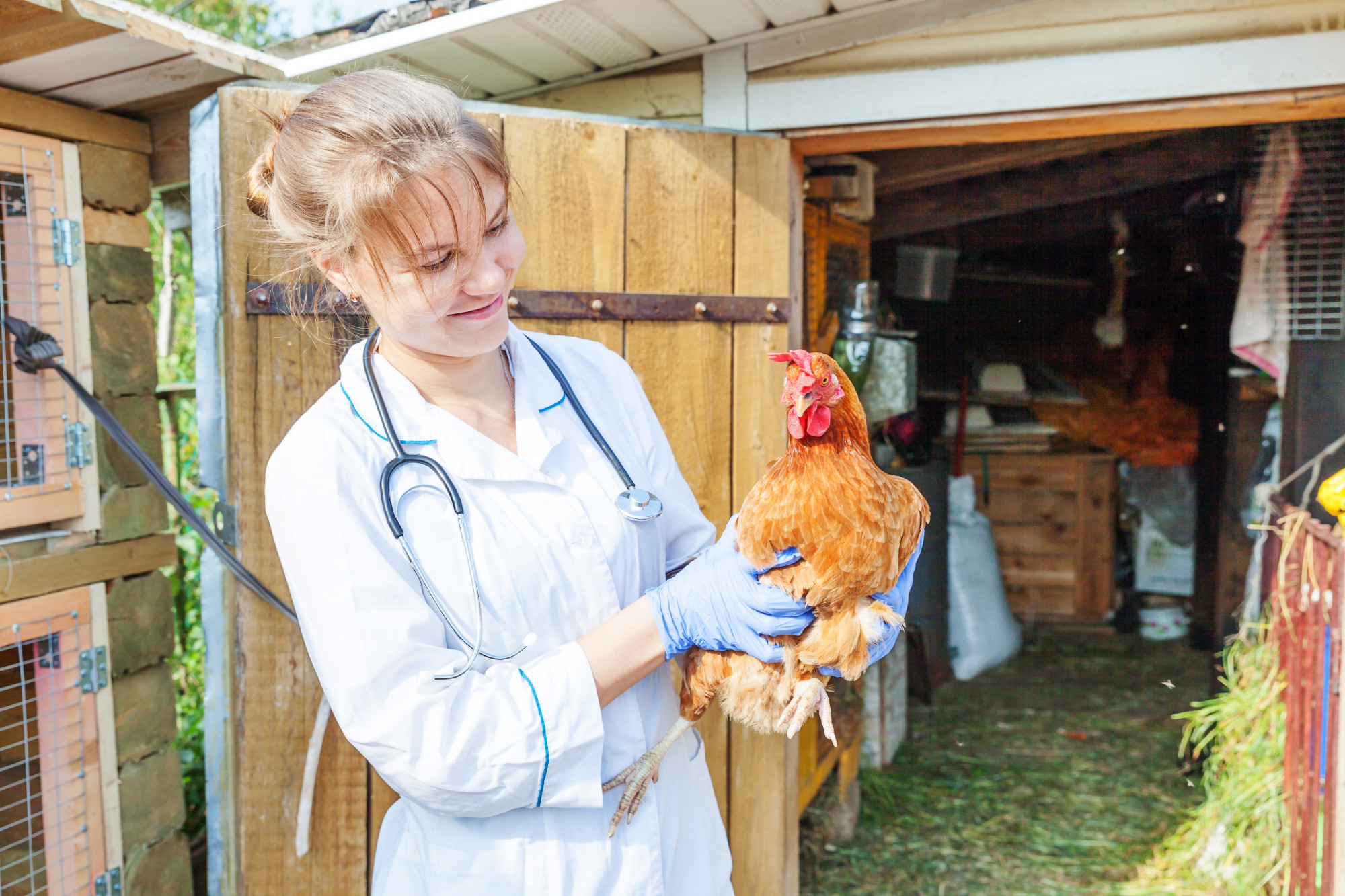
We encourage flock owners to schedule a wellness care visit with our team for flock-wide health checks, parasite screening, and individualized treatment plans. These professional services ensure that any intervention is both safe and effective, considering the unique needs and production goals of your operation.
Prevention Strategies for a Healthier Spring Flock
Preventing parasites is far more effective and less stressful than addressing a full-blown infestation. Producers can take several practical steps to protect their chickens as spring arrives. Maintaining clean, dry bedding in the coop and run is essential, as moisture encourages parasite development. Regularly removing soiled litter and replacing it with fresh material reduces the availability of eggs and larvae.
Rotating pasture areas, when possible, helps minimize buildup of internal parasite eggs in the soil. Avoiding overcrowding in housing and runs allows birds to stay cleaner and less stressed, which supports a stronger immune response. Inspecting your flock weekly for physical changes, such as pale combs, feather loss, or skin irritation, helps you catch problems early.
Controlling rodent and wild bird access to feed and water sources also limits the introduction of new parasites. When bringing new birds into your flock, a quarantine period and veterinary evaluation are essential to prevent the spread of parasites. Additionally, working with a veterinary team for regular wellness care ensures ongoing monitoring and timely intervention.
When to Seek Veterinary Care for Your Chickens
While many minor health issues can be managed by attentive producers, certain situations call for immediate professional attention. If you observe persistent weight loss, severe anemia, dramatic drops in egg production, or evidence of worms in droppings, it is time to consult with a veterinarian. Likewise, if external parasite treatments do not resolve itching or feather loss, or if multiple birds in your flock are affected, professional guidance is necessary to prevent escalation.
Our team at Symbios Chatham is equipped to support backyard poultry owners with both in-clinic services and convenient house calls for flock evaluations. Early veterinary intervention can prevent long-term health problems and protect the economic value of your operation. If you are ever unsure about the health of your chickens, reach out for expert advice rather than waiting for symptoms to worsen.
Supporting Healthy Flocks in Chatham and Beyond
Spring is a rewarding season for backyard chicken producers, but it also brings unique challenges from parasites. By staying vigilant for signs of trouble, understanding the factors that increase risk, and partnering with your local veterinary team, you can keep your flock healthy and productive. At Symbios Chatham, we are committed to helping producers in Chatham and surrounding communities enjoy thriving flocks all year.
If you are looking for a veterinarian near me who understands the needs of mixed animal operations—including backyard chickens—our veterinary professionals are here to help. Whether you need a flock wellness check, targeted parasite treatment, or guidance on preventive care, schedule an appointment or request a house call by calling (973) 381-8475. For ongoing support, explore our wellness care services or connect with our team to discuss your specific goals for the season.
Protect the health and productivity of your flock this spring with expert veterinary care from Symbios Chatham at 588 Main Street, Chatham, NJ 07928. We look forward to being your trusted partner in poultry health all year long.
Disclaimer: This blog is intended for educational purposes only. Always consult with a licensed veterinarian for diagnosis and treatment of specific poultry health concerns.