Rabbit Hypothermia: Signs Like Cold Ears and Shivering

Rabbit Hypothermia: Signs Like Cold Ears and Shivering
Worried your rabbit might be dangerously cold this spring? As temperatures fluctuate in Chatham, NJ and the surrounding communities, understanding rabbit hypothermia signs like cold ears and shivering is essential for every bunny owner. At Symbios Chatham, our veterinary team sees firsthand how quickly rabbits can become chilled—especially during unpredictable weather or if their environment is not properly regulated. Hypothermia is a serious threat that, if left untreated, can lead to lasting health issues or even become life-threatening. In this article, we will help you recognize the warning signs of hypothermia in rabbits, explain the causes, and guide you on what to do if you notice concerning symptoms. We will also share how our clinic at 588 Main Street, Chatham, NJ 07928 supports rabbit health year-round, so your bunny can thrive in every season. Whether you are a first-time rabbit owner or an experienced caretaker, knowing what to look for and how to act can make all the difference for your companion’s wellbeing.
Recognizing Rabbit Hypothermia Signs: Cold Ears, Shivering, and More
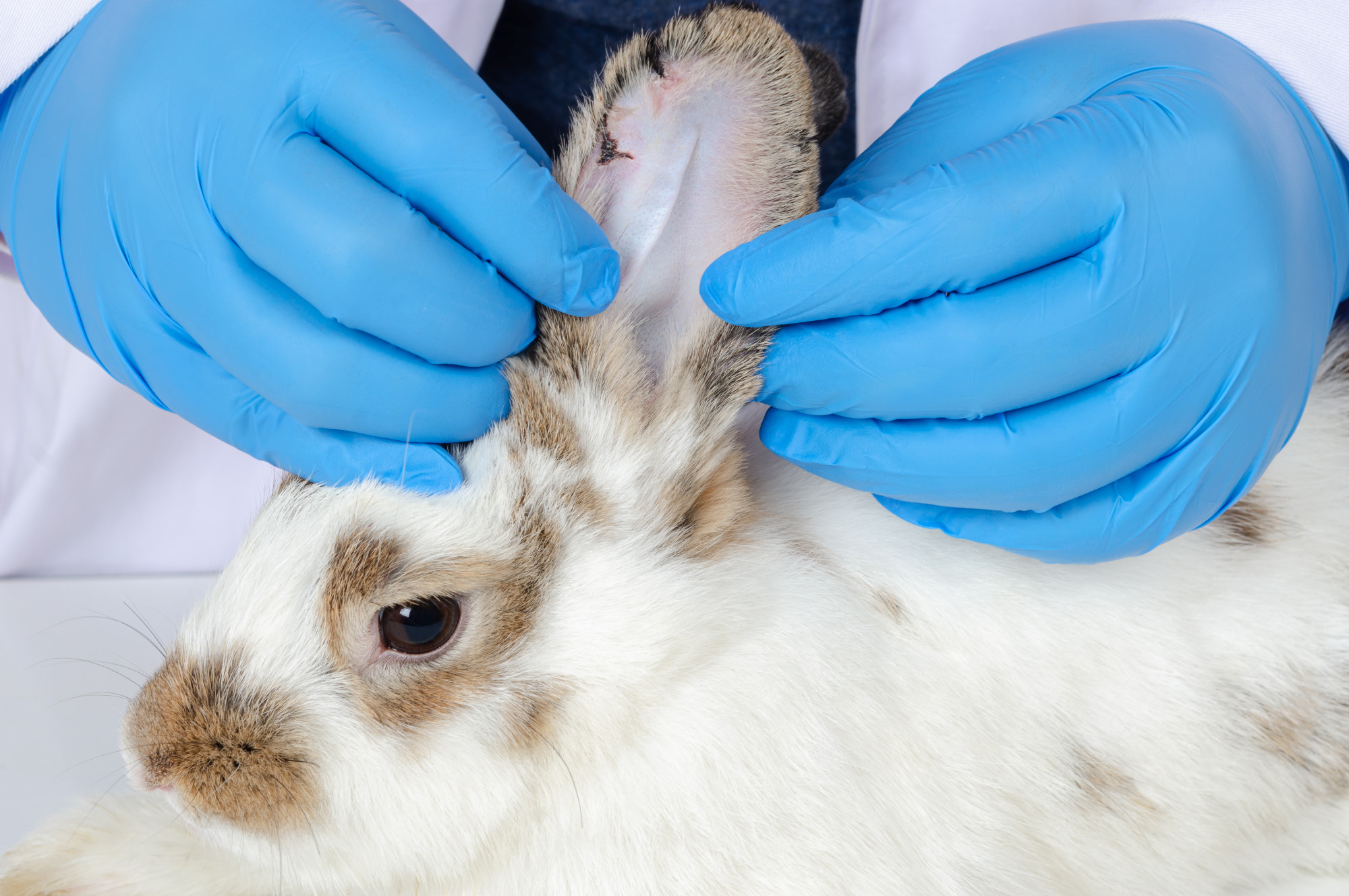
Spotting rabbit hypothermia signs like cold ears and shivering early allows for prompt intervention, which can be lifesaving. Key symptoms include noticeably cold ears, as the ears are one of the first places a rabbit loses heat due to their large surface area. Shivering, trembling, or shaking is another important sign; rabbits shiver to try to produce warmth when their body temperature drops. You may also notice your rabbit becoming more lethargic, less responsive, or even limp. In some cases, rabbits with hypothermia will huddle in a corner, appear disoriented, or refuse to eat and drink. Severe hypothermia can lead to shallow breathing, pale or bluish gums, and a weak pulse.
If your rabbit typically enjoys exploring but suddenly sits motionless with their ears and feet feeling cold to the touch, hypothermia should be suspected. Likewise, if your bunny is housed outdoors or in a drafty area, pay close attention to any behavioral changes during chilly weather. These signs warrant immediate attention and action to prevent further decline.
Why Does Hypothermia Happen in Rabbits?
Understanding the causes behind hypothermia helps you protect your rabbit from risk. Rabbits are particularly vulnerable to cold because they have a high surface area relative to their body size and rely heavily on their environment for temperature regulation. Sudden drops in temperature, drafts, or damp bedding can quickly lead to heat loss. Outdoor rabbits face additional risk during spring cold snaps or unexpected frosts. Even indoor rabbits can be affected if their enclosure is placed near windows, air vents, or in rooms that get especially cold at night.
Other contributing factors include age and health status. Very young, elderly, or sick rabbits are less able to maintain their core temperature. Rabbits recovering from surgery, those with dental disease, or those under stress may also be more prone to hypothermia. It is important to remember that rabbits do not have the same tolerance for cold as some other small mammals. Factors such as grooming a wet rabbit, bathing, or allowing them to sit on cold surfaces can all increase the risk.
What to Do If You Notice Cold Ears or Shivering: Treatment and Next Steps
If you suspect your rabbit is developing hypothermia, quick action is essential. The first step is to gently bring your rabbit into a warm, draft-free area. Use a towel to wrap your rabbit, but avoid using direct heat sources such as heating pads or hot water bottles unless specifically instructed by your veterinarian. Gradually warming your rabbit is key, as rapid changes in temperature can cause shock. Offering warm (not hot) fluids, if your rabbit is alert and able to swallow, may help, but do not force-feed.
Monitor your rabbit closely for worsening signs such as persistent shivering, weakness, or difficulty breathing. Contact a veterinary professional as soon as possible for guidance on whether your rabbit needs to be seen immediately. At Symbios Chatham, our veterinarians are experienced in treating rabbit hypothermia and can provide tailored care based on your bunny’s condition. In some cases, supportive care in a clinic setting—including supplemental oxygen, fluid therapy, and careful temperature monitoring—may be necessary for a full recovery.
If you are a member of our practice, you can also access 24/7, 365 telehealth services for immediate advice on managing your rabbit’s symptoms and determining if an in-person visit is needed.
Preventing Hypothermia in Rabbits: Home and Environmental Care
Prevention is always preferable to treatment, especially when it comes to rabbit hypothermia. Ensuring your rabbit’s living space is warm, dry, and free from drafts is the most effective way to protect them. If your rabbit lives outdoors, consider bringing them inside during cold snaps, or provide extra insulation in their hutch. Straw or hay bedding offers better warmth than wood shavings or newspaper, and should be kept clean and dry at all times. Regularly check the temperature where your rabbit sleeps, aiming to keep it above 60°F if possible.
For indoor rabbits, make sure their enclosure is not placed next to windows, doors, or air conditioning vents. After cleaning or bathing, dry your rabbit thoroughly and avoid letting them sit on cold surfaces. If your rabbit is elderly, very young, or recovering from illness, they may require additional warmth and monitoring.
Nutritional support also plays a role in helping your rabbit maintain a healthy body temperature. Providing a balanced diet, plenty of fresh hay, and constant access to water helps support their metabolism and immune system. Scheduling a wellness care examination with our veterinary team at Symbios Chatham can help you review your rabbit’s environment, nutrition, and overall health to identify any areas of concern before problems arise.
When to Seek Veterinary Care for Rabbit Hypothermia in Chatham, NJ
Not every case of cold ears or shivering is an emergency, but rabbits can deteriorate quickly if hypothermia is not addressed. You should seek veterinary care immediately if your rabbit shows ongoing cold ears, persistent shivering, lethargy, refusal to eat, or any signs of labored breathing or unresponsiveness. The veterinary professionals at Symbios Chatham are equipped to assess your rabbit’s body temperature, provide necessary warming treatments, and address any complications that may have arisen due to hypothermia.
If you are ever unsure whether your rabbit’s symptoms warrant a visit, err on the side of caution and reach out to our clinic. Our team can provide guidance on next steps and help you determine if your bunny needs to be brought in for an evaluation. Prompt care can mean the difference between a full recovery and more serious complications.
Supporting Rabbit Health Year-Round at Symbios Chatham
Protecting your rabbit from hypothermia requires vigilance, especially during unpredictable weather in Chatham and the surrounding communities. By learning to recognize rabbit hypothermia signs like cold ears and shivering, you are better equipped to act quickly and safeguard your bunny’s health. At Symbios Chatham, our veterinarians are dedicated to providing comprehensive care for rabbits and other small animals, offering everything from prevention and wellness exams to advanced medical support when needed.
If you are searching for a veterinarian near me who understands the unique needs of rabbits and can support you in every season, our team is ready to help. Schedule an appointment for your rabbit’s next wellness check, or call us for guidance if you notice any concerning symptoms. For after-hours questions or urgent concerns, our 24/7 telehealth services ensure you always have expert advice at your fingertips. Reach out to Symbios Chatham at (973) 381-8475 or visit us at 588 Main Street, Chatham, NJ 07928 to keep your rabbits healthy, comfortable, and thriving all year long.
This article is for informational purposes only and should not replace professional veterinary care. If you suspect your rabbit is experiencing hypothermia or another medical emergency, contact a veterinarian immediately.