Protecting Pets From Spring Allergies in Chatham, NJ


Protecting Pets From Spring Allergies in Chatham, NJ
Spring in Chatham, NJ brings longer days, blooming flowers, and unfortunately for many pets, a surge of allergy symptoms. If you’ve noticed your dog scratching more than usual or your cat sneezing as pollen counts rise, you’re not alone. At Symbios Chatham, located at 588 Main Street, Chatham, NJ 07928, we understand how distressing it can be to see your furry companion uncomfortable. That’s why our veterinary team takes a personalized, concierge-style approach to pet health, helping you recognize and manage spring allergies before they become a bigger problem.
In this guide, you’ll learn how to spot the signs of spring allergies in cats and dogs, understand what causes these reactions, and discover the treatment and prevention options available. We’ll also explain when it’s time to schedule an appointment with our veterinarians for professional support. If you’re worried about your pet’s symptoms this season, Symbios Chatham is here to help you and your pet enjoy spring to the fullest.
Recognizing Spring Allergy Symptoms in Cats and Dogs
Spring allergies can be sneaky, sometimes mimicking other common conditions or appearing as subtle changes in behavior. Recognizing the signs early is the first step to getting your pet relief.
Common Allergy Symptoms in Pets
The signs of spring allergies in dogs often include increased scratching, licking, or chewing at their paws, belly, or ears. You might notice red, inflamed skin, hair loss in certain areas, or even frequent head shaking if ear irritation is present. Cats can display similar symptoms, although they may also develop bald patches from over-grooming or exhibit sneezing and watery eyes.
Other symptoms to be aware of are runny noses, coughing, changes in appetite, and lethargy. It’s also common for pets with allergies to develop secondary infections, particularly if they’ve been scratching or biting at their skin. If you notice hot spots, scabs, or an unpleasant odor from your pet’s ears or skin, these could be signs that an allergy has led to an infection.
It’s important to remember that every pet is unique. Some may exhibit just one or two symptoms, while others experience a range of issues as allergens build up in the environment.
Why Do Pets Get Spring Allergies?
Just like people, pets can be sensitive to environmental allergens that emerge in spring. Pollen from trees, grasses, and weeds becomes airborne, settling on your pet’s fur and paws each time they venture outside. Even indoor cats may be exposed when windows are open or when pollen is tracked in by people.
Understanding Pet Allergy Triggers
The most common culprits for spring allergies in Chatham include tree pollens from oaks, maples, and birches, as well as grass pollens that flourish as temperatures rise. Mold spores, which thrive in damp, warming conditions, can also contribute. In some cases, pets develop sensitivities to more than one allergen, making symptoms more pronounced.
Unlike food allergies, which often lead to digestive upset, environmental allergies primarily affect the skin and respiratory system. The immune system of a sensitive pet reacts to harmless substances as if they were threats, releasing histamines that cause itching, redness, and swelling.
Certain breeds are more prone to allergies, such as retrievers, terriers, and some brachycephalic (short-nosed) cats and dogs. However, any animal can develop allergies at any age. Spring allergies are not contagious, and they often return each year as the same allergens reappear in the environment.
Professional Treatment and Management for Pet Allergies
If your pet is showing signs of spring allergies, you don’t have to tackle the issue alone. Symbios Chatham’s veterinary team specializes in comprehensive allergy care, helping you identify triggers and develop a management plan that fits your pet’s unique needs.
Veterinary Evaluation and Diagnosis
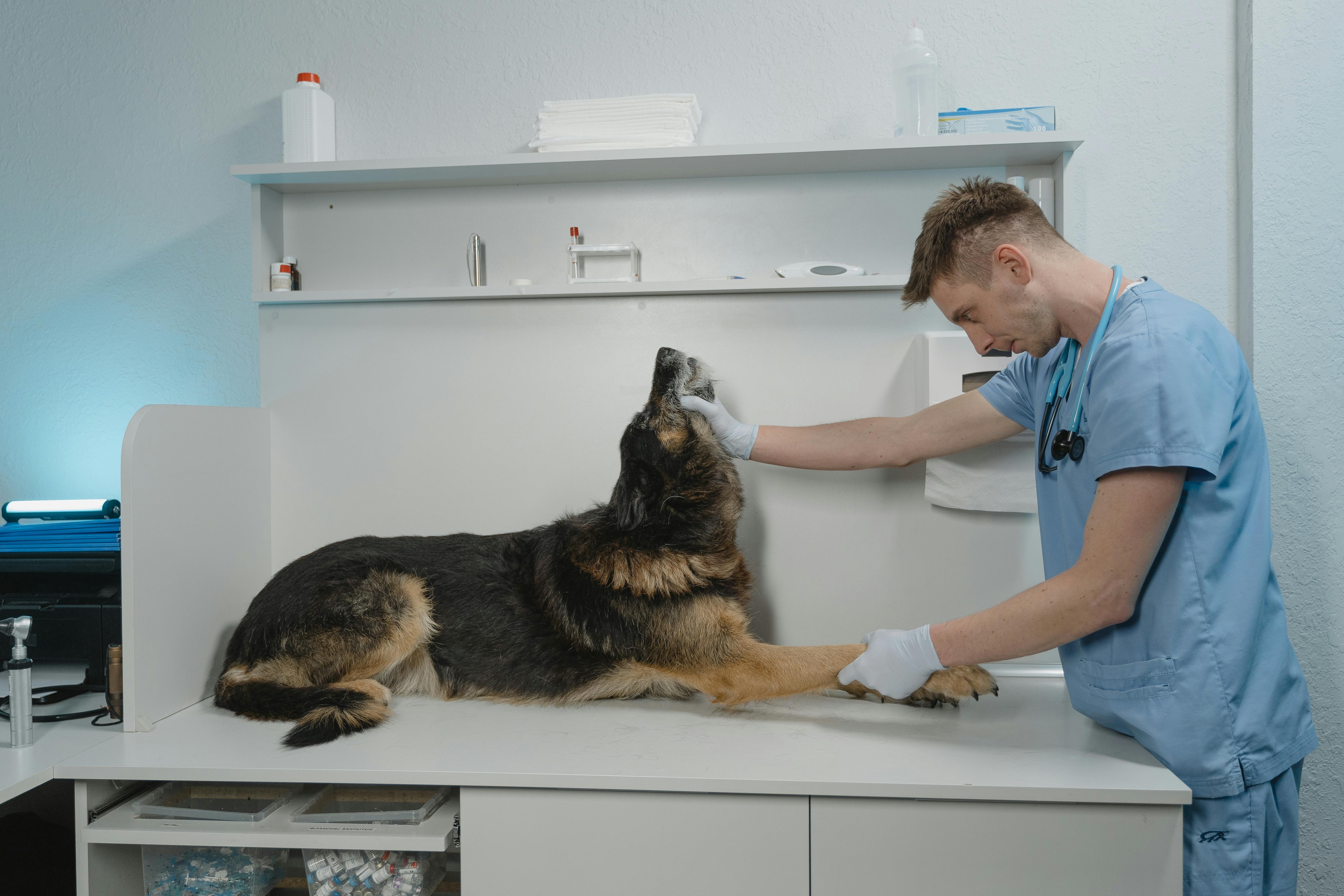
The first step in addressing spring allergies is a thorough examination by our veterinarians. This often includes a detailed history of your pet’s symptoms, physical assessment of the skin, ears, and coat, and sometimes additional diagnostic tests.
Our clinic offers allergy testing to identify and manage allergies in your pet, which can help pinpoint specific triggers. In some cases, we may recommend blood work or skin tests to rule out other underlying conditions, such as parasites or infections.
Treatment Options for Spring Allergies
Managing spring allergies typically involves a combination of approaches. Our veterinarians might prescribe antihistamines, medicated shampoos, or topical treatments to soothe itching and reduce inflammation. For pets with more severe symptoms, short courses of steroids or immune-modulating medications may be necessary.
If secondary infections are present, antibiotics or antifungal medications could be required. In some cases, we may discuss long-term management strategies such as allergen-specific immunotherapy, which gradually builds up your pet’s tolerance to environmental triggers.
We also offer wellness care focused on preventive routines, nutrition, and vaccinations for cats and dogs, ensuring your pet’s overall health is optimized to better resist allergies and their complications. Our concierge-style approach means we tailor every plan to your pet’s lifestyle and your family’s needs, providing ongoing support throughout allergy season.
Home Care and Prevention: What Pet Owners Can Do
While professional veterinary care is essential for managing moderate to severe allergies, there are many steps you can take at home to help reduce your pet’s discomfort during spring.
Daily Routines to Minimize Allergens
Wiping your dog’s paws and coat after outdoor walks can help remove pollen before it spreads indoors. For cats, gently wiping their fur with a damp cloth can achieve a similar effect. Bathing pets with hypoallergenic or medicated shampoos, as recommended by your veterinarian, can further reduce environmental allergens on their skin.
Vacuuming frequently, using air purifiers, and washing bedding often can lower the overall allergen burden in your home. Keeping windows closed on high pollen days and monitoring local pollen forecasts may also provide relief for sensitive pets.
Supporting Your Pet’s Comfort
Ensuring your pet stays hydrated, receives a balanced diet, and avoids known triggers whenever possible can make a significant difference. Some pet owners find that omega-3 fatty acid supplements, with veterinary guidance, help support healthy skin and reduce inflammation.
Always consult with a veterinarian before starting any supplements or making major changes to your pet’s care routine. If your pet’s symptoms are worsening, or if you’re unsure how best to help them, reach out for professional advice.
When to Schedule a Veterinary Appointment
Mild allergy symptoms can sometimes be managed at home, but more persistent or severe signs always deserve a closer look. You should contact our veterinarians if your pet is experiencing relentless itching, open wounds, ongoing ear problems, significant hair loss, or any changes in appetite or behavior. Allergies can create a cycle of discomfort and infection that is difficult to break without professional intervention.
If you’re ever concerned that your pet’s symptoms are getting worse or not responding to home care, scheduling an appointment with our team at Symbios Chatham is the best way to ensure your pet receives prompt, effective treatment. Our veterinary professionals are here to guide you every step of the way, from diagnosis to long-term allergy management.
For non-urgent concerns or questions about your pet’s symptoms, you can also access 24/7 veterinary expertise for your pet anytime through our telehealth service, offering peace of mind around the clock.
Keeping Your Pet Comfortable This Spring: Next Steps
Spring allergies can be frustrating for both pets and their families, but you don’t have to face them alone. By recognizing the early signs of allergies, taking preventive steps at home, and working closely with our veterinarians at Symbios Chatham, you can help your pet enjoy a healthier, happier season.
If you notice your dog or cat is uncomfortable as pollen counts rise, don’t wait for symptoms to worsen. Schedule an appointment with our team for a comprehensive evaluation and a personalized allergy management plan. We are committed to supporting the health and wellbeing of pets in Chatham and surrounding communities through every season.
When searching for a veterinarian near me who truly understands the challenges of pet allergies, Symbios Chatham is here to help. Reach out to our team of veterinary professionals at (973) 381-8475 or visit us at 588 Main Street, Chatham, NJ 07928. Explore our advanced allergy testing services and wellness care for cats and dogs to give your pet the best start to spring.
Disclaimer: This blog is for informational purposes only and does not replace professional veterinary care. Always consult with your veterinarian for specific concerns about your pet’s health. For severe or rapidly worsening symptoms, contact our clinic for immediate guidance. For more resources on pet allergies, visit the American College of Veterinary Dermatology or the American Veterinary Medical Association.